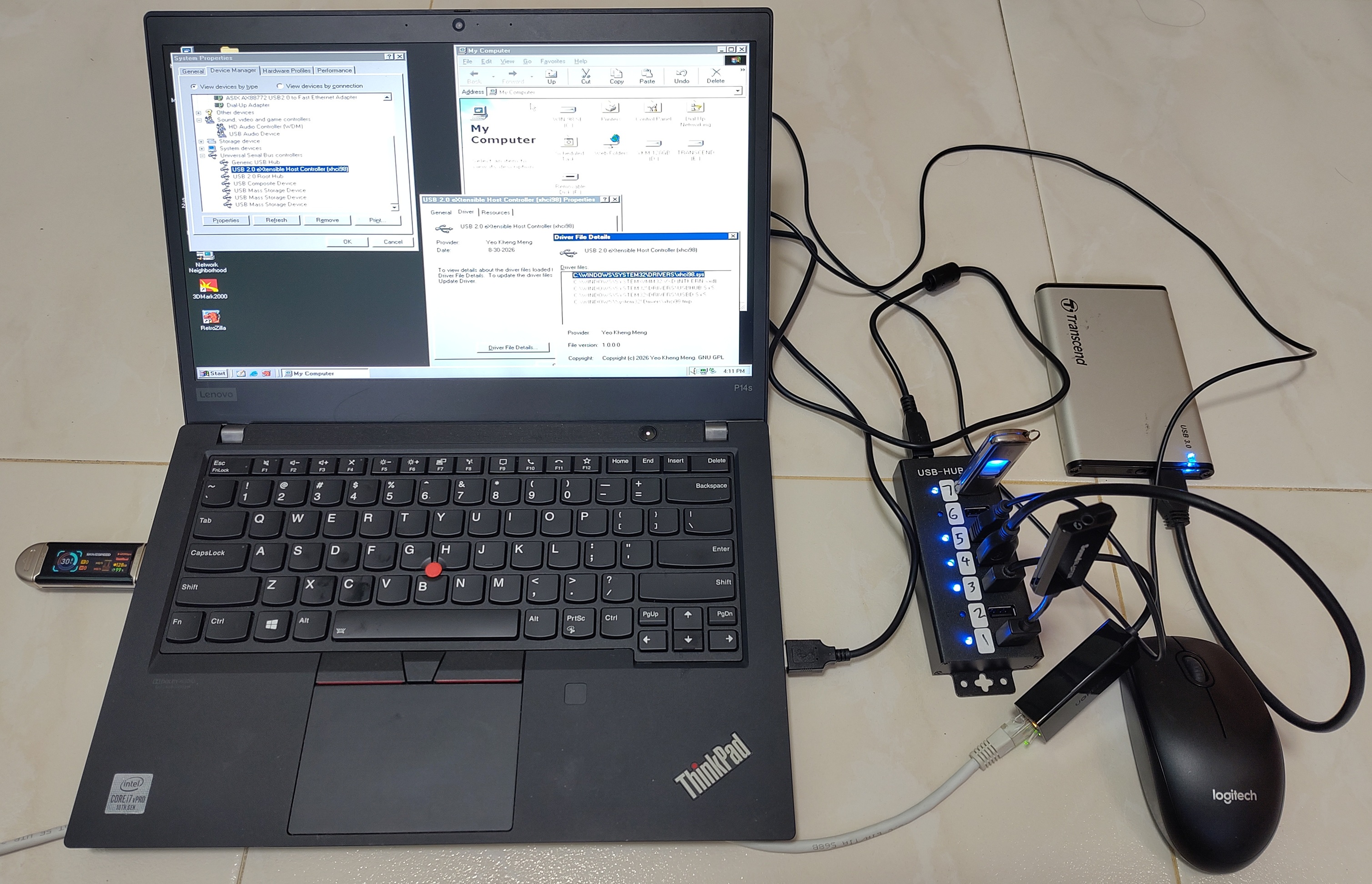
Most of us take the USB ports on our computers for granted. We plug in devices and expect them to work automatically with the operating system. However, what if this wasn’t the case with vintage operating systems?

Maker, Coder, Private Pilot, Retrocomputing Enthusiast
Most of us take the USB ports on our computers for granted. We plug in devices and expect them to work automatically with the operating system. However, what if this wasn’t the case with vintage operating systems?
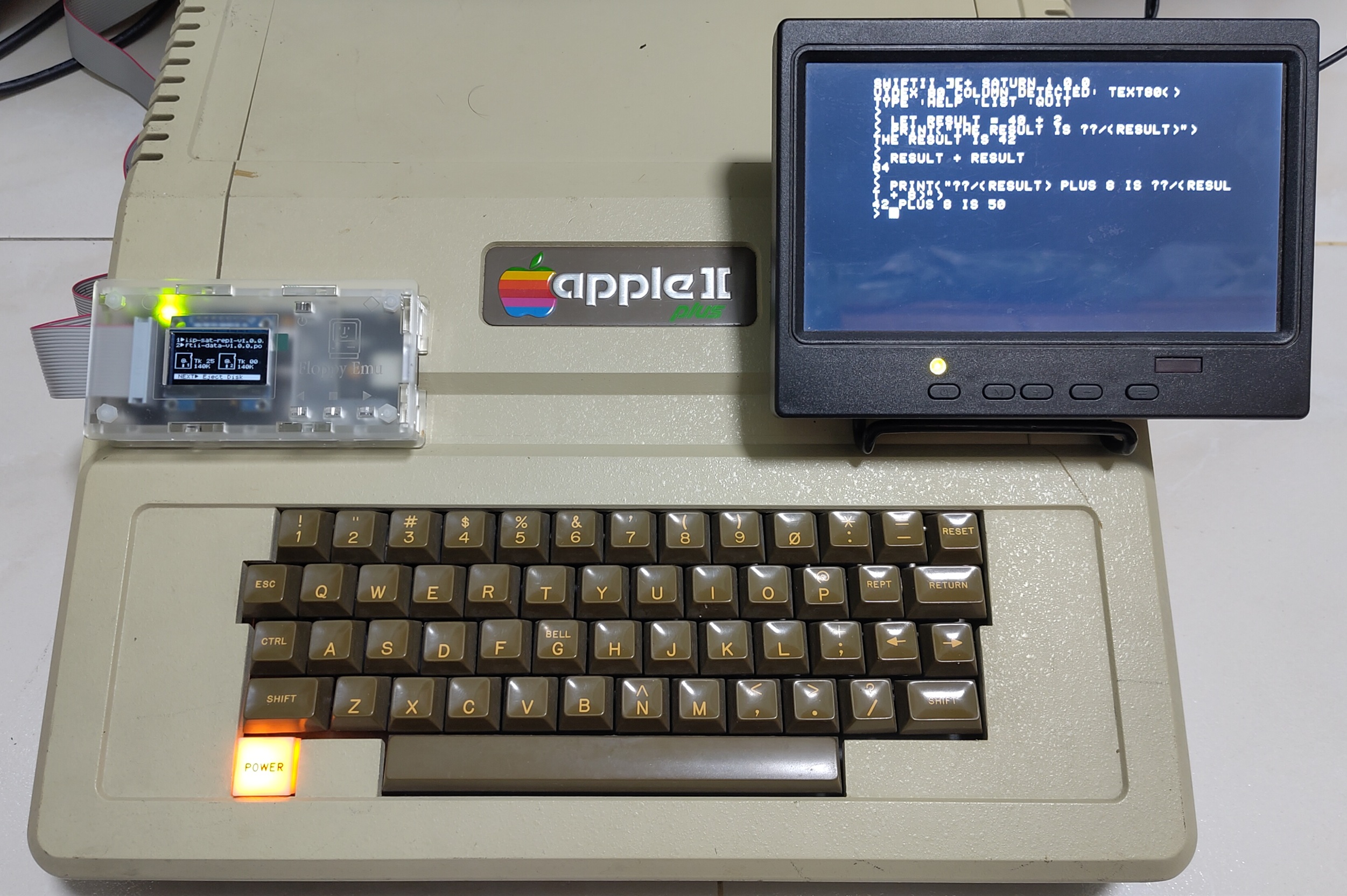
Swift is the modern programming language behind many apps that run on modern Apple platforms. I thought it would be nice to bring a small taste of it back to Apple’s early days, the Apple II. It was Apple’s first mass-market series of machines, initially released in 1977 with a 1 MHz MOS 6502 CPU.
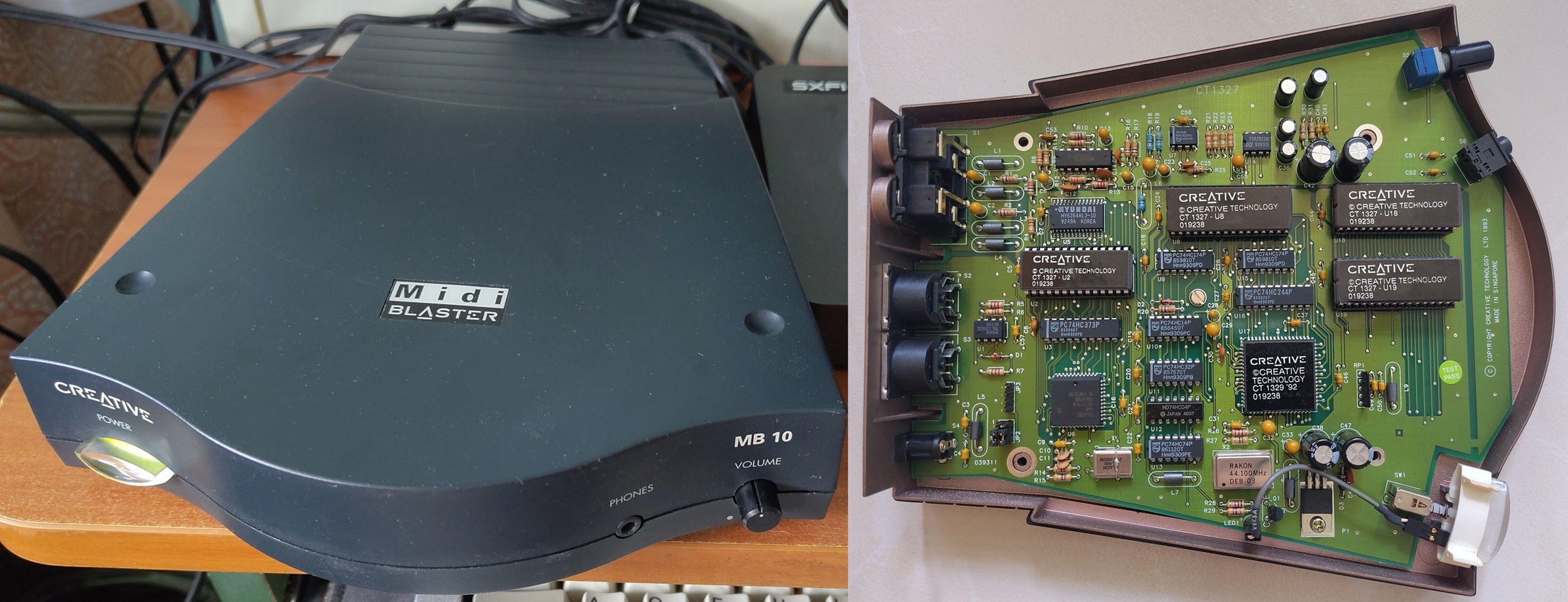
The Creative Midi Blaster MB-10 recently entered my retro-collection 33 years after its first release in 1993. Seeing that there isn’t much detailed information about this device on the internet, I decided to do a review followed by a teardown of this device. I will also take some sample audio recordings of it.
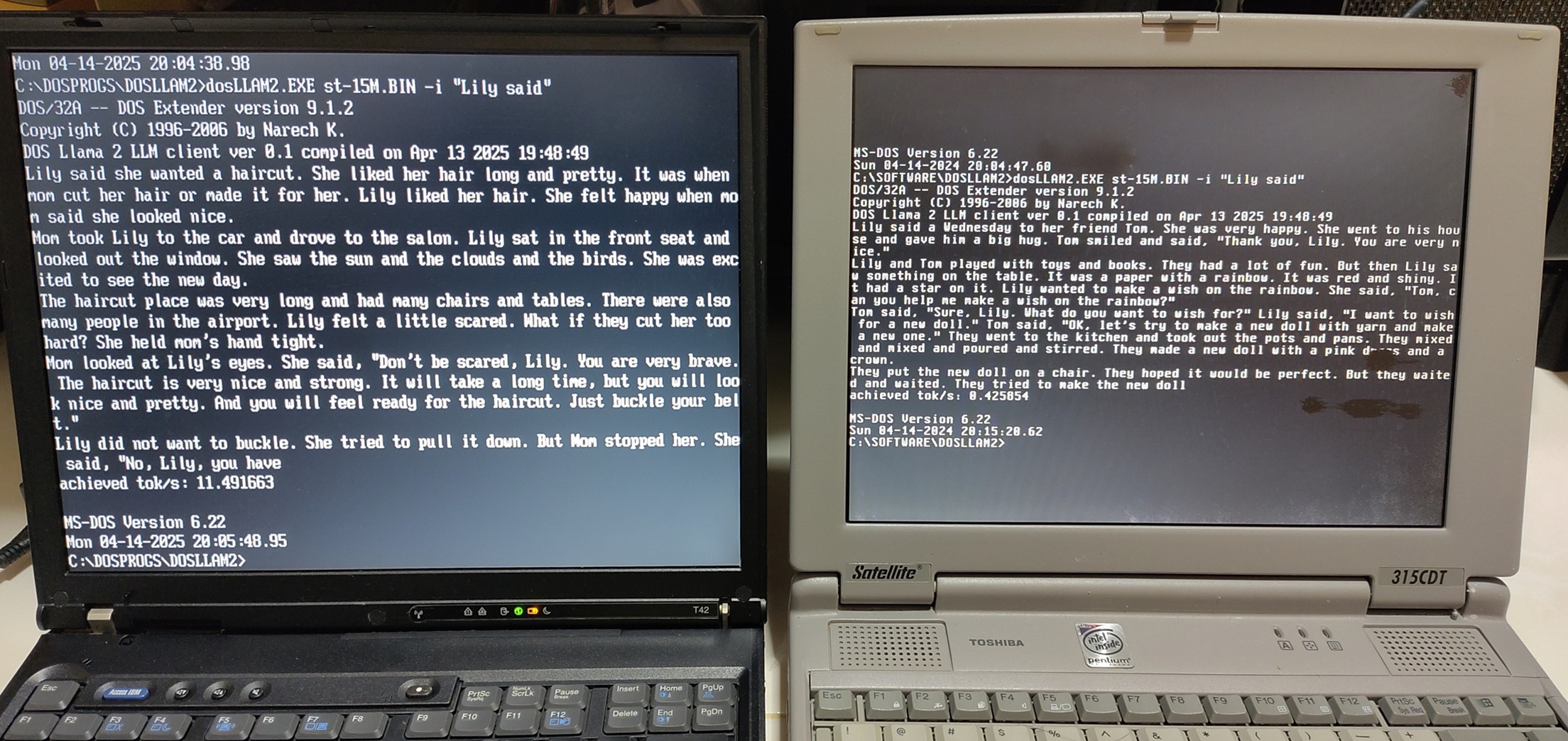
Ever thought of running a local Large Language Model (LLM) on a vintage PC running DOS? Now you can!
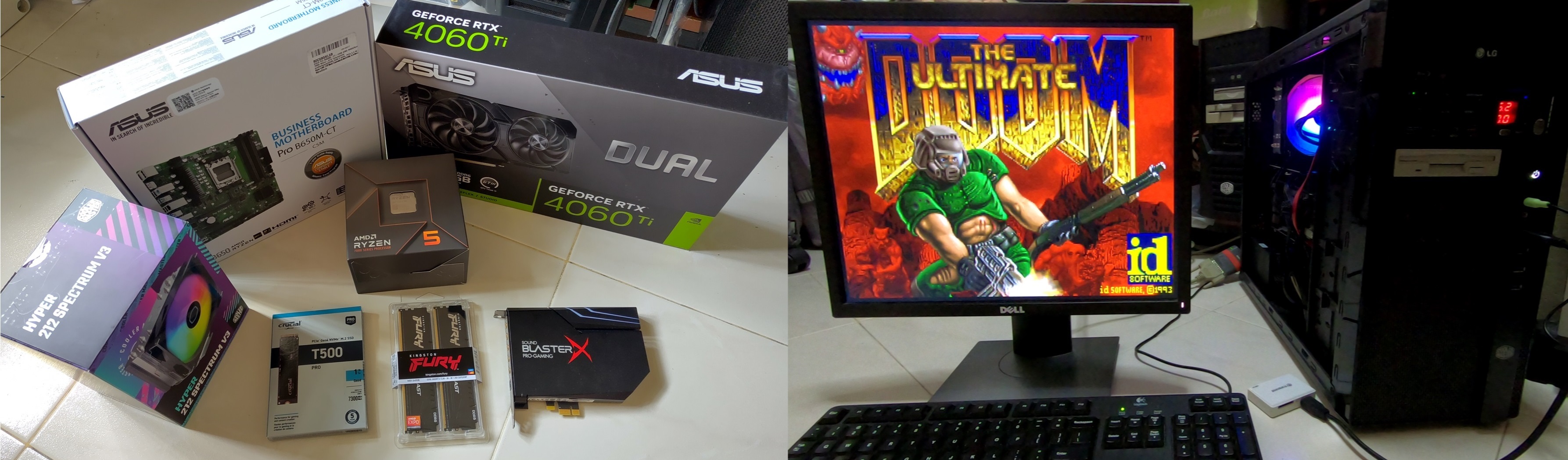
If I were to tell you a PC has a floppy drive, optical drive, Sound Blaster card, serial, parallel and PS/2 ports running DOS, you would think I’m referring to a machine from the 1990s. But my very modern PC built in 2024 possess these characteristics!
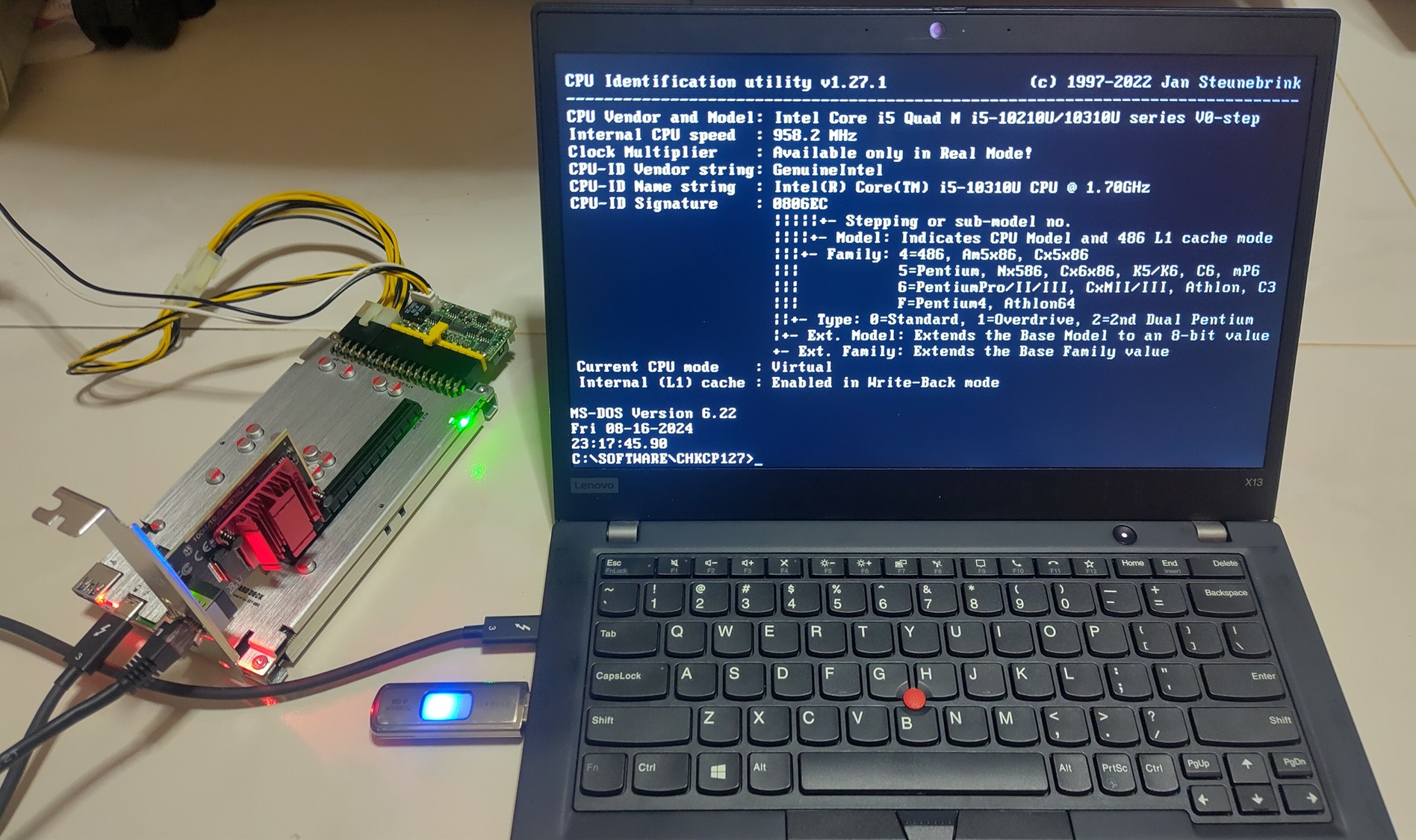
When one thinks of modern technologies like Thunderbolt, 2.5 Gigabit Ethernet and modern CPUs, one would associate them with modern operating systems. How about DOS?
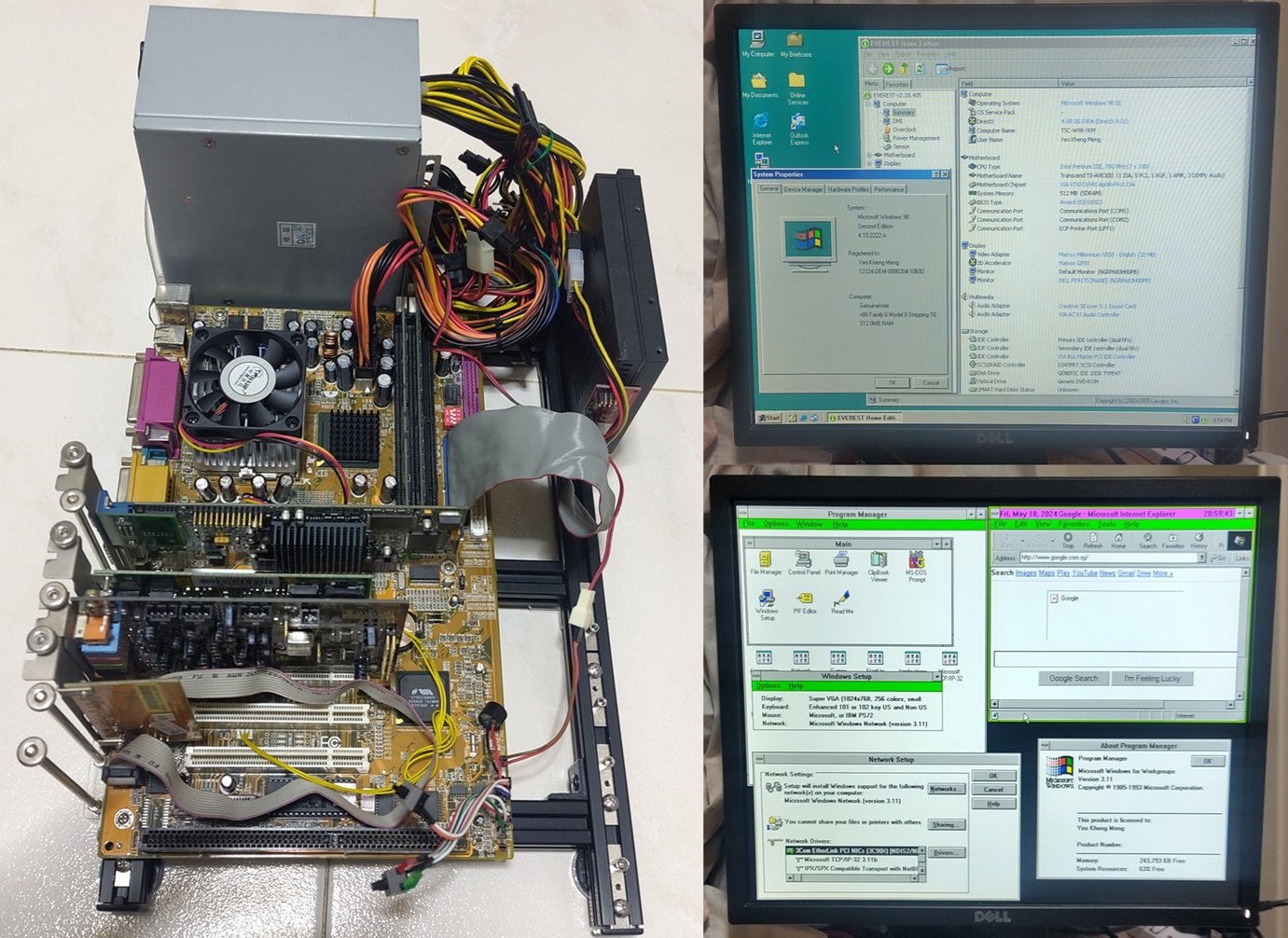
I have amassed a respectable collection of retro-PCs in the several years I have been engaging in my retrocomputing hobby. As part of this hobby, I regularly acquire vintage expansion cards from others. Testing these newly-acquired cards will require me to frequently disassemble my properly set up retro-machines which is a hassle to do.
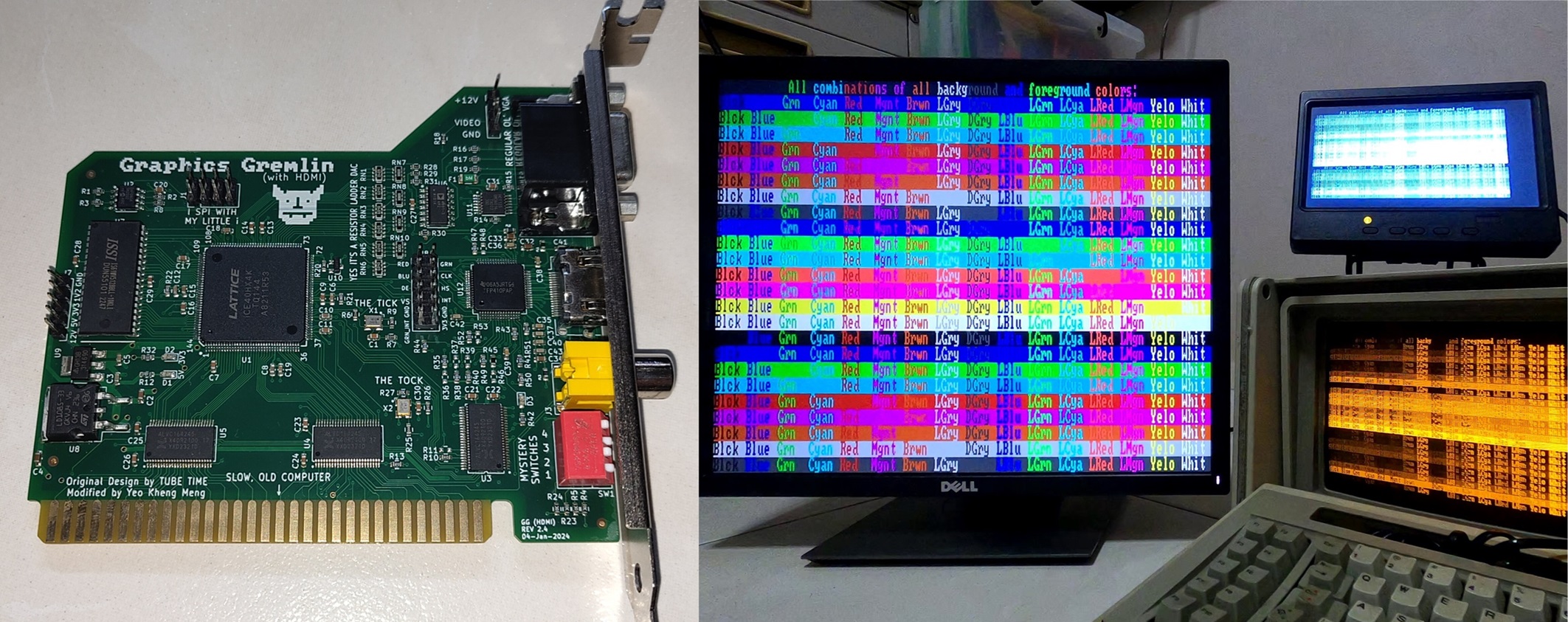
HDMI is a relatively modern video connector we take for granted on modern PCs and monitors. Now vintage PCs can join in the fun too with a native connection to modern HDMI monitors without any additional adapter.
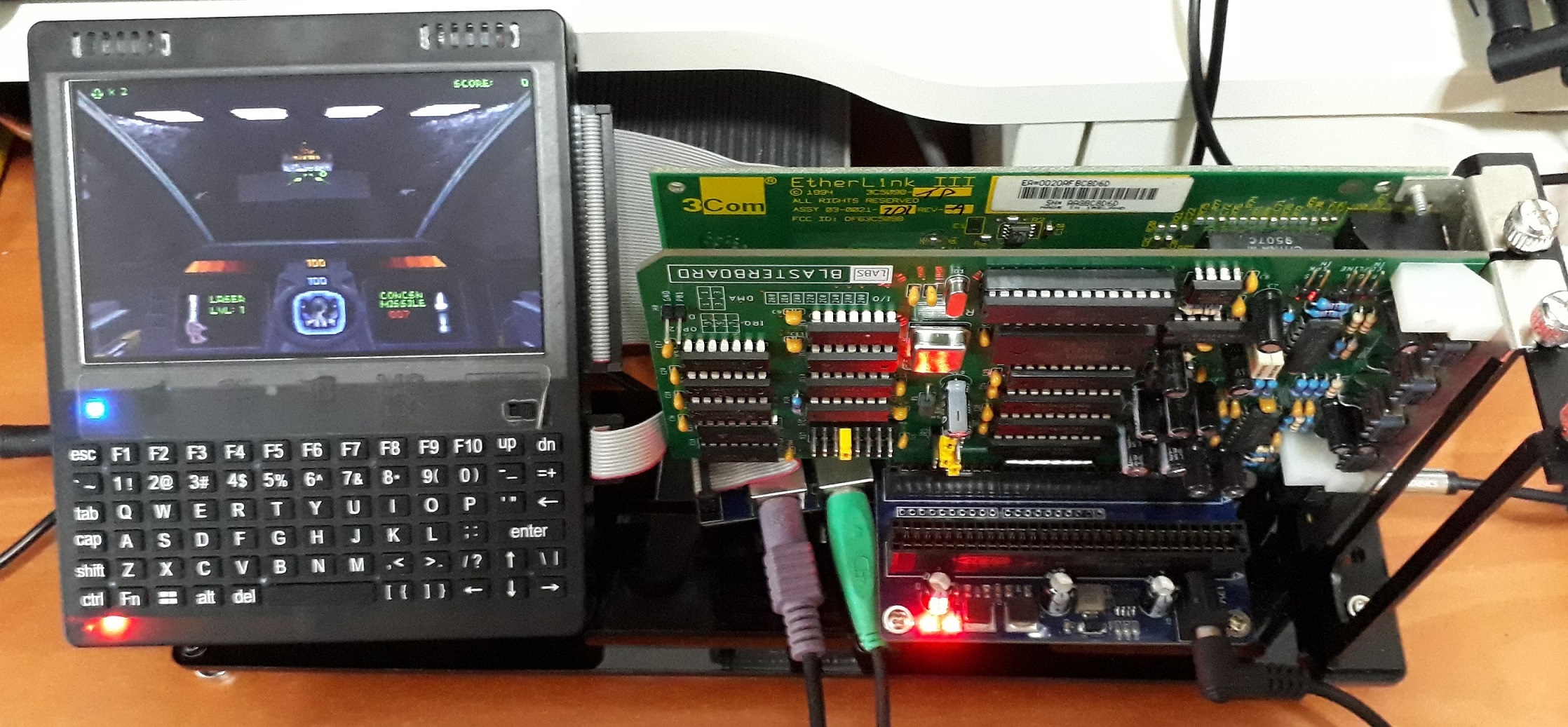
A new 386-based palmtop recently appeared on Aliexpress and was covered by sites like Tom’s Hardware. My curiosity was stoked and I quickly snapped one up.
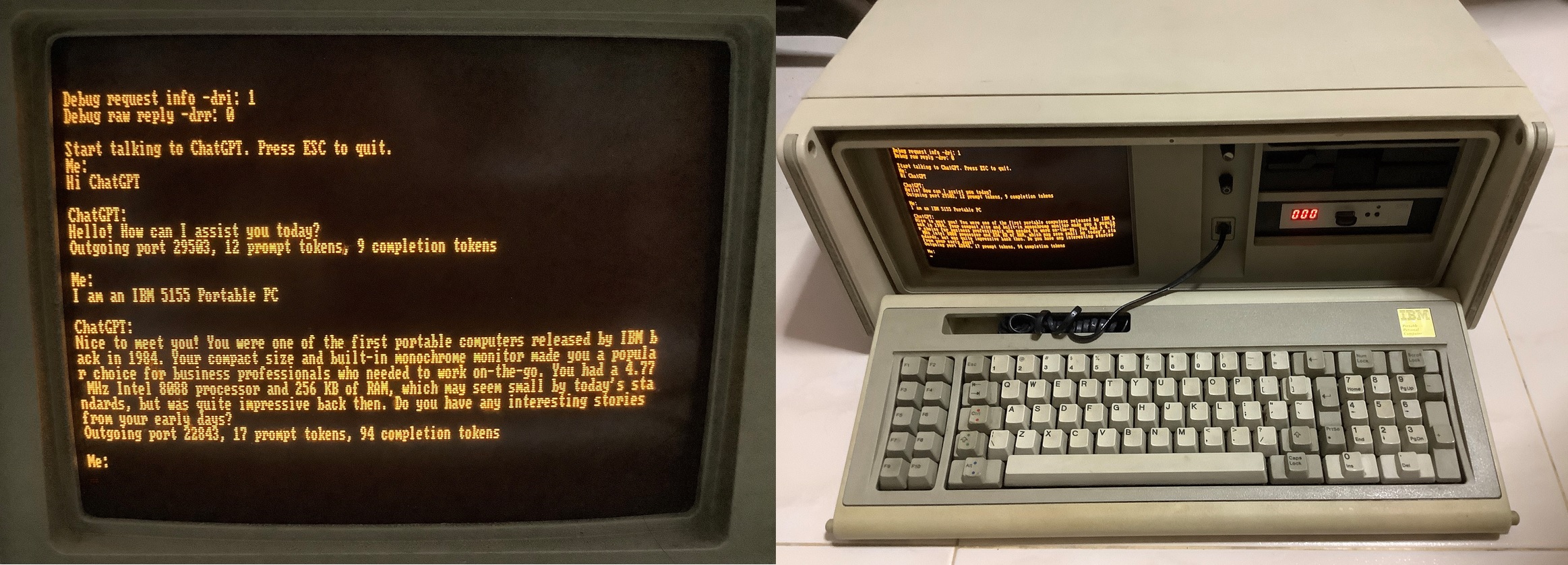
With the recent attention on ChatGPT and OpenAI’s release of their APIs, many developers have developed clients for modern platforms to talk to this super smart AI chatbot. However I’m pretty sure almost nobody has written one for a vintage platform like MS-DOS.